We all share a common aspiration: to live in areas that are clean, safe, and well-connected, and maybe sustainable 🙂 This aspiration becomes more challenging when you also want to live in a city. We all want the benefits of a big city while also dreaming of clean air and water, easy and non-contaminating ways of transportation, and easy access to nutritious food.
It’s not easy to mix all of these into one, right? Well, if you didn’t know the European Commission is working hard to make the “ideal city” a reality. With initiatives like the European Green Capital Award, the Commission celebrates cities showing what’s possible. From greener parks and cleaner energy to smarter transport and active citizen participation, these cities are proving that a healthier, more sustainable urban life isn’t just a dream—it can be real.

Green Capital of Europe
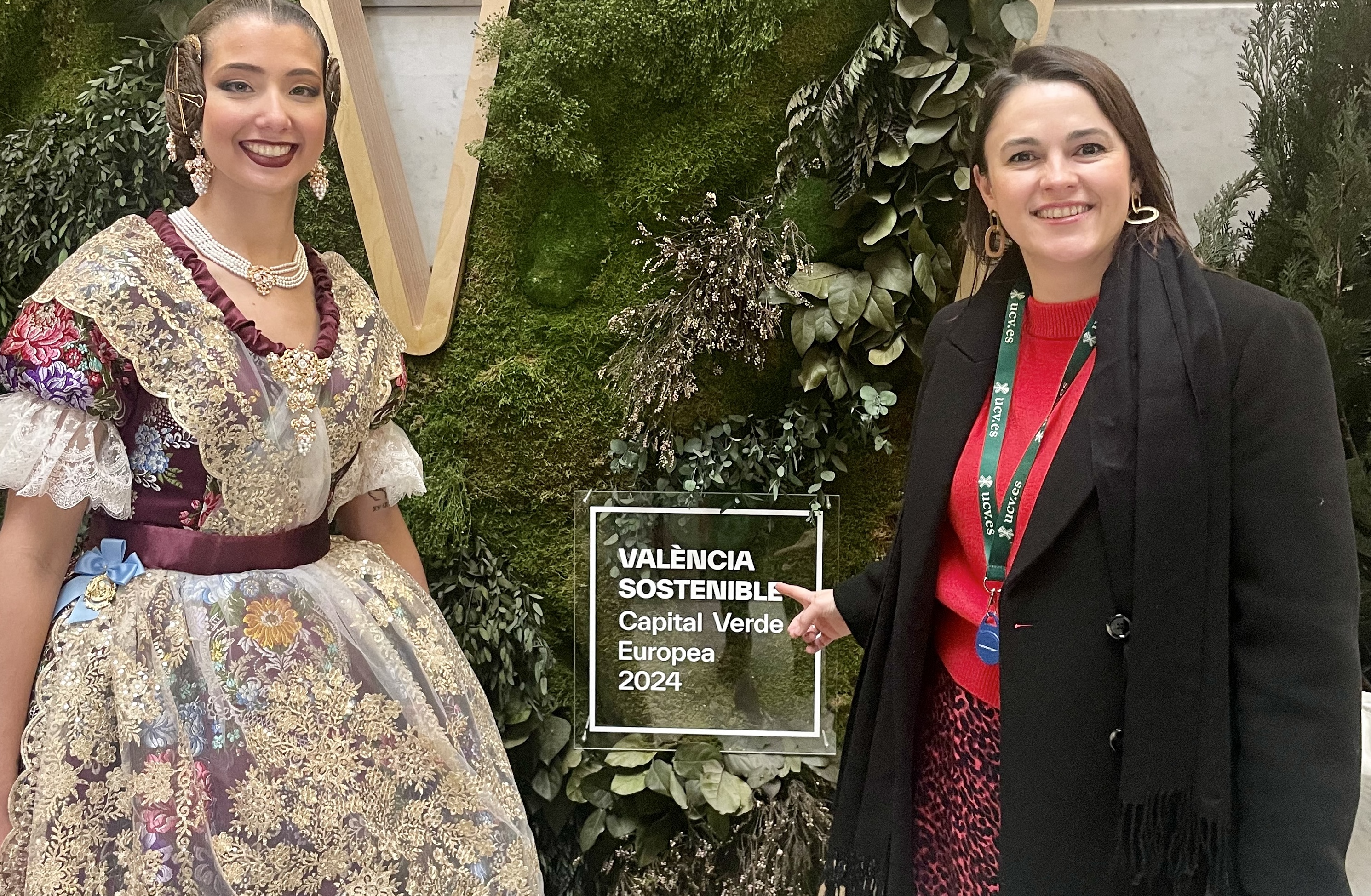
In 2024, Valencia was this: The Green Capital of Europe!! Yuhuuu
II couldn’t have been prouder of the city I chose to live in. Valencia, Spain, was named European Green Capital for its strong and coordinated approach to sustainability. This recognition was the result of a very strategic program that Valencia has been working on for many years. Having lived here for more than 13 years, I can fully confirm the strategic steps that have been taken during this period up to the present moment 🙂
Moreover, Valencia aims to achieve climate neutrality by 2030 through its Climate Mission Valencia 2030 initiative, focusing on sustainable energy, green mobility, and the protection of nature, while involving citizens in the city’s transition.n.


Developing a sustainable city
The Commission gave Valencia positive marks across 12 indicators: air quality, noise levels, waste management, water quality, nature and biodiversity, land use, eco-innovation, climate change mitigation, climate change adaptation, mobility, energy efficiency, and governance. Let me comment some of them:
Green infrastructure: The city has almost 5 million square meters of green space, including the 9 kilometers of Turia Gardens (Jardín del Turia), the Central Park and numerous neighborhood parks. The data says that 70% of residents live less than 300 meters from a green area adapted to climate.
I can say that this is exactly my situation as well: just one minute from my building, there is a beautiful children’s park; two minutes further, another one; and within an eight-minute walk, I can reach the Turia Gardens (we call it El Turía). In fact, within a 10-minute walking radius and in three different directions, I have access to large, beautiful parks filled with trees, free of cars, with water fountains and ample green spaces for sports, relaxation, and play.

During the International Week 2025: When I swapped the classroom for a bike ride and Justin Hyatt, expert in sustainable mobility, gave us a talk about it. For many students, it was their first time ever riding a bike in a city. The students were from Bucharest University of Economic Studies /ASE, Romania 🙂
Actions for sustainable mobility: Valencia has transformed over 30,000 square meters of its historic center into pedestrian areas and has developed more than 200 kilometers of bike paths. In addition, the city offers 94 square kilometers of pedestrian spaces, promoting low-emission transport options.
Between 2015 and 2023, the city tripled the length of its network of protected bike lanes, from 64 to 187 kilometers. During this time, many of my colleagues, who were very used to coming to the office by car, were (definitely) NOT happy. However, over time, many of them switched to riding a bike and even started enjoying it. 🙂
It’s hard not to get excited about riding a bike in Valencia! There are so many bike lanes connecting the city that, in general, according to Google Maps, cycling is actually the fastest way to get from one point in the city to another. Moreover, since Valencia is a flat city, it’s even more inviting to just grab a bike rather than wait for the bus or take the car.
The city also offers cycling routes that lead to natural spaces such as the Albufera Natural Park, encouraging eco-tourism and connection with nature.

Constant education
Societal involvement: Valencia places great emphasis on citizen participation in sustainability efforts. The city collaborates with residents to achieve environmental goals, promoting a strong sense of shared responsibility. Public institutions and environmental organizations constantly organize events aimed at educating people and encouraging the adoption of more sustainable lifestyles. These programs range from promoting the use of public transportation to encouraging glass recycling.
The public bus company, EMT, organizes events every year for children and families, promoting the benefits of using buses and bikes while creating opportunities to spend a full morning together in the city’s parks.

There are also apps that give citizens access to real-time data on air quality, noise levels, or energy consumption. It’s not Valencia-specific, but one of the apps I use the most is the energy price app 🙂 I check it to catch the cheapest hours for running the washing machine or doing some ironing. It might sound a bit obsessive, but honestly, I find it fun—and I feel oddly clever knowing that after 12 o’clock the price will triple, so everything is already done by then 😄 You know… the joy of small, smart choices in everyday life.
L’Horta: Valencia’s Living Garden
Integrating the urban and rural landscape: Valencia is quite unique in this regard. Surrounding the city are fields of vegetables and fruits known as L’Horta. This agricultural area, L’Horta de València, is even recognized by the FAO as an Agricultural Heritage System of Global Importance. It supplies local markets and restaurants, supporting sustainable food systems while preserving traditional agricultural practices.
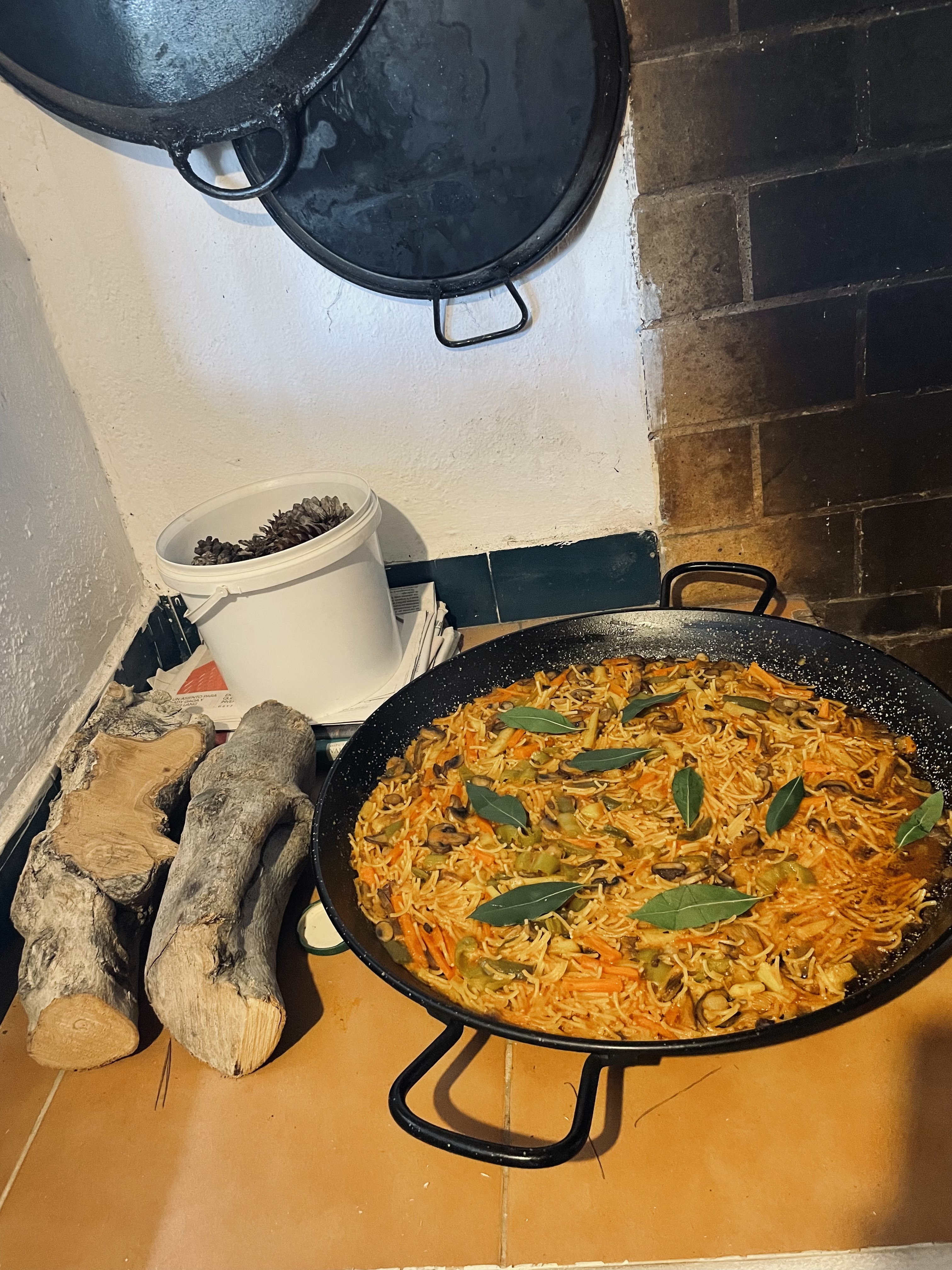
In this area, 120 km² of fertile land are dedicated to growing vegetables and fruit, all of which stay local. If you come to Valencia and see the label “KM 0,” it means those products come straight from L’Horta—fresh, local, and sustainable. Many restaurants, gourmet shops or groceries are proud to commercialize only such products.
The “invisible” ones matter
Projects for “invisible” urban biodiversity: You might be surprised by this—just like I was when I first saw a house that looked like it was made for bats! Yes! The municipality has a program to protect biodiversity by installing insect hotels, bird nests, and native plants on green roofs and balconies. They also monitorpollinator species as indicators of urban ecological health.
Valencia, my home
Living in Valencia, I’ve witnessed how the city has changed over the past 13 years. Of course, there are also negative aspects of the city’s development, which I’ll save for another article 🙂 Many of these negative impacts were not necessarily under the control of the municipality or local organizations, such as the rise of cheap tourism. However, what was within the reach of public organizations was addressed: constant, smart, small steps aimed at achieving a bigger goal—being recognized as the European Green Capital.
It’s also important to highlight the involvement of everyone in this shared project: institutions, citizens, and even tourists. I’m a true advocate for education—of course, I’m a professor, so I’d probably say that anyway—but I’ve seen firsthand how it makes a real difference. When people understand that their actions can either harm or benefit the city, they naturally start doing the right thing.
To wrap up, I’m genuinely proud and happy to live in Valencia—with all its highs and lows 🙂 If this article feels a bit “different” from the usual reflections, that’s just my professor-researcher side showing 🙂 Sustainability—beyond just the fashion industry—is a real passion of mine, so I spend a lot of time reading, writing, and presenting about it in different professional contexts. These facts might not be the kind of fun stuff you’d share on a beach picnic with friends, but whether we like it or not, they matter—and they touch every part of our daily lives.

One of many talks about Sustainability: this time during the International Week in 2025 that I organized in my Faculty, UCV, for Romanian master students.


Sunny hugs from Valencia, Andreea







Leave a Reply